
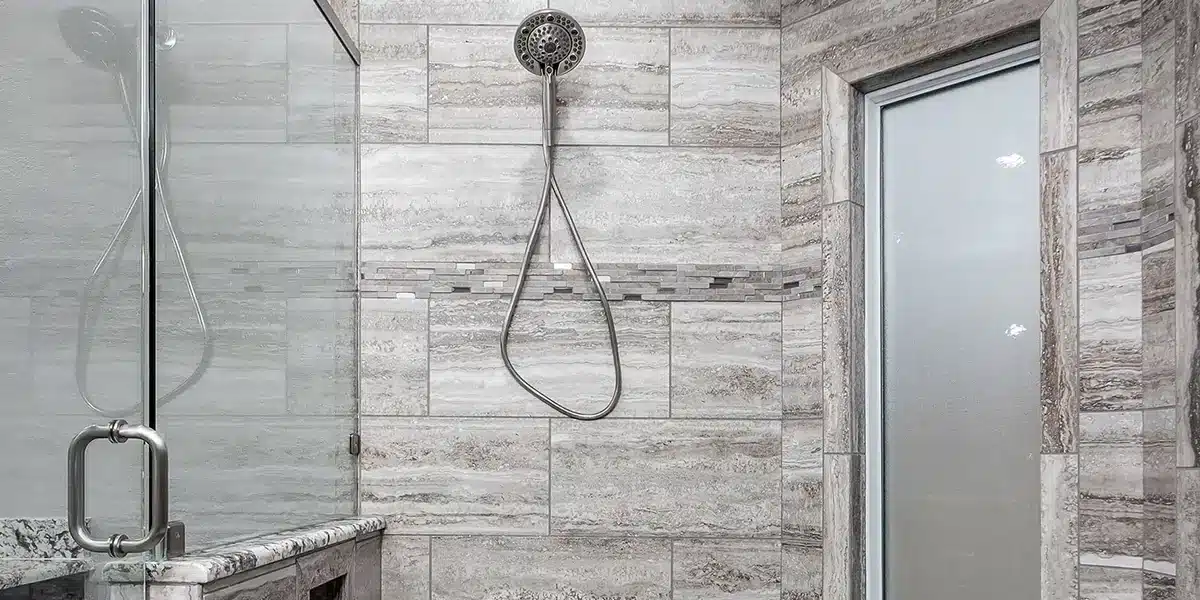
In the realm of interior design, few elements hold the transformative power of backsplash and accent wall tiles in kitchens and bathrooms. These functional yet aesthetically pleasing details act as expressions of style, setting the tone for the space, whether it’s sleek and modern, rustic and traditional, or bold and avant-garde. The selection of tiles can drastically alter the ambiance of these essential rooms, melding color, texture, and pattern into a cohesive narrative that enhances the overall design scheme.
Tile Trends
Interior design continues to push boundaries this year, particularly where tile trends are concerned. This year, there’s an evident lean towards individuality and eco-friendly materials, reflecting global themes of environmental consciousness and self-expression. Large-format tiles are on the rise, minimizing grout lines and creating a seamless, sophisticated finish ideal for both kitchens and bathrooms. Additionally, there’s a revival of retro patterns, infusing spaces with a blend of nostalgia and contemporary chic.
These trends can be incorporated into your home in various ways. Consider using recycled glass tiles for a sustainable yet stylish backsplash or choose tiles with vintage patterns to bring character to your bathroom. The idea is to create a space that resonates with your personality while staying abreast of contemporary design movements.
Choosing the Right Tile Material
The efficacy and allure of your backsplash or accent wall hinge significantly on the material of the tiles. It’s imperative to choose a material that not only echoes your style but also stands up to the environmental demands of the space.
Ceramic: A classic choice, ceramic tiles are cost-effective and present a wide variety of shapes and colors. They are relatively easy to maintain but are less durable than porcelain, making them more suitable for areas with less traffic.
Porcelain: Being more impervious to water and robust, porcelain tiles are perfect for both kitchens and bathrooms. They mimic natural stones and wood without the same maintenance needs, although they are generally more expensive.
Glass: For a luminous, contemporary feel, glass tiles are preferable. They make spaces appear larger and come in numerous tints and finishes. The downside is their cost and complicated installation process.
Natural Stone: Marble, granite, or slate tiles add an element of luxury and are incredibly durable. However, they require sealing to prevent stains and are not the most budget-friendly option.
Kitchen Backsplash Tile Styles
The kitchen backsplash is no longer just a practical element designed to protect your walls; it’s a focal design feature. Subway tiles are a timeless favorite, offering a clean, versatile look. They can be arranged in herringbone or chevron patterns for a more dynamic presentation.
Mosaic patterns in the kitchen are another attractive option, allowing for a mix of materials and colors. They can range from subtle to statement-making, depending on the contrast and tile material.
Additionally, don’t shy away from using bold, colorful designs. A vibrant tile backsplash can act as the centerpiece of your kitchen, highlighting the overall theme and color scheme.
Bathroom Accent Wall Tile Styles
In bathrooms, the accent wall is a canvas for creativity. It draws the eye, sets the ambiance, and reflects your style preference. Hexagonal tiles are a popular choice, providing a modern touch with their clean lines and geometric style.
Geometric patterns, in general, are having their moment in the sun. They offer endless possibilities, from a monochromatic palette to bold, contrasting colors, helping establish the bathroom’s mood, be it serene or energetic.
Textured tiles add depth to the bathroom space, making the accent wall not just visually appealing but also tactile. These three-dimensional tiles come in various styles, simulating waves, fabric, or even natural elements like wood and stone.
Color Palette and Grout Choices
The impact of your tile work is often anchored in the color palette and grout choice. While the tiles may hold the pattern and design, the grout lines act as a subtle grid that highlights the architecture of the space. A contrasting grout color can make the tiles pop, while a matching one offers a seamless look.
When selecting colors, consider the size of the room. Lighter tiles can make the space feel larger, while darker hues offer a cozy, intimate vibe. Don’t forget the psychological impact of color – blues can be calming, yellows energizing, and greens refreshing.
In terms of cohesion, it’s vital to ensure your tile color complements the room’s fixtures and fittings. Warm tones go well with natural wood, while cooler tones match stainless steel or chrome finishes. The goal is harmony among all components of your space.
Tiles, in their myriad forms, serve as the keystones of design in kitchens and bathrooms. The design world is trending towards sustainable materials, personalized expressions, and innovative styles. Choosing the right tile material and style, understanding the subtle art of grout selection, and harmonizing color palettes will transform these functional rooms into reflections of your style and personality. Embrace the change, and let your kitchen and bathroom tell your unique story.