

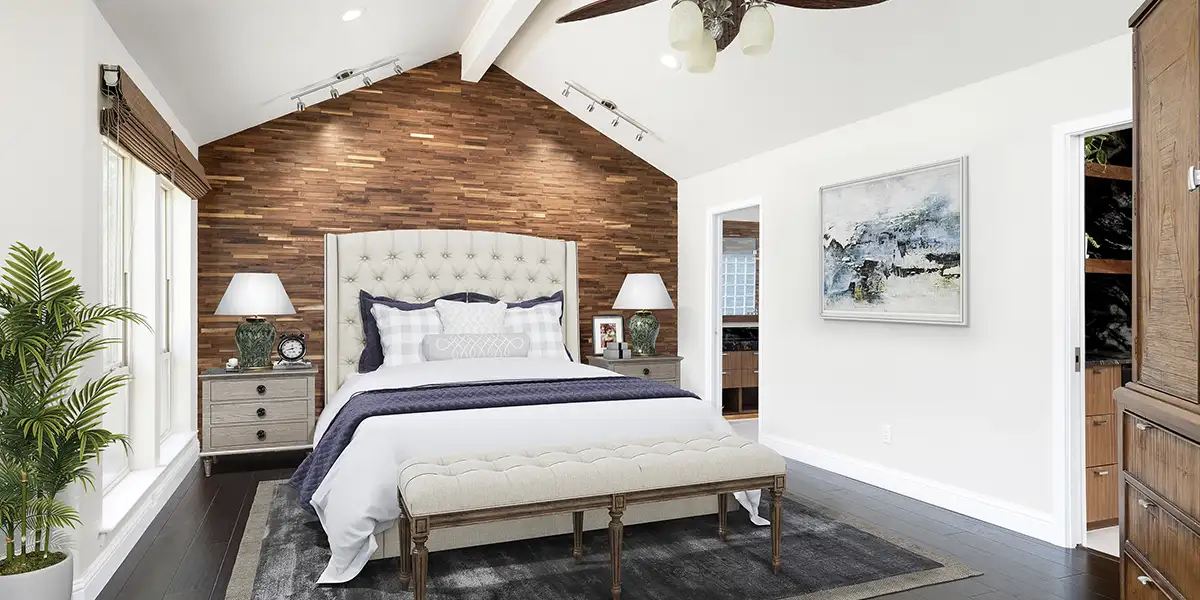
The colors we surround ourselves with, especially in our bedrooms, have a profound impact on our mood, stress levels, and ultimately, our sleep quality. Understanding the psychological impact of colors and aiming to create a restful bedroom environment is crucial for anyone looking to improve their sleep. The right color palette not only enhances the aesthetic appeal of a bedroom but can also contribute to a more calming and relaxing atmosphere, conducive to drifting off into a peaceful slumber.
Understanding Color Psychology
Colors play a significant role in affecting our mood and sleep. The concept of warm versus cool colors is a fundamental aspect of color psychology that can help guide the selection of bedroom colors. Warm colors, such as reds, oranges, and yellows, are vibrant and energizing, while cool colors like blues, greens, and purples, tend to have a calming effect. Understanding this distinction is key to creating a bedroom environment that promotes relaxation and good quality sleep.
Top Bedroom Colors for Better Sleep
Blues
Renowned for its calming effects, blue is an ideal color for bedrooms. Shades of blue can help lower heart rate and blood pressure, making it easier to fall asleep. Lighter blues evoke feelings of tranquility and serenity, reminiscent of the sky or a calm sea.
Greens
Green, the color of nature, promotes a restful and serene environment. It’s associated with renewal, health, and balance, aiding in relaxation before sleep. Soft, muted greens can create a soothing backdrop conducive to rest.
Soft Gray
Soft, muted gray tones serve as a perfect neutral, creating a peaceful and calming bedroom space. Gray’s versatility allows it to be paired with accent colors that can introduce warmth or coolness to the room as desired. Other neutral colors remain popular in home design for their flexibility and soothing nature. Soft beiges, creamy whites, and gentle earth tones can create a tranquil and inviting bedroom space, laying a foundation for restful sleep.
Pale Yellow
A gentle, soothing shade of yellow can bring a sense of relaxation without the intensity associated with brighter yellows. Pale yellow can infuse the bedroom with a subtle warmth, evoking a serene, sunlit ambiance.
Colors to Avoid in the Bedroom
Bright Red
While passionate and vibrant, bright red can be too stimulating for a bedroom, potentially increasing heart rate and energy levels, which can disrupt sleep.
Vibrant Orange
Similar to red, vibrant orange is energetic and stimulating, potentially too lively for a space meant for relaxation and sleep.
Dark Brown
Dark, heavy browns can make a room feel smaller and more enclosed, which can induce feelings of gloominess or confinement, not ideal for a restful sleep environment.
Tips for Incorporating Sleep-Inducing Colors
Choosing the right colors for your bedroom involves more than just paint; it’s about creating a cohesive environment that reflects personal taste while promoting rest and relaxation. For those who enjoy brighter colors, balancing these with neutral tones can maintain the room’s energy without overwhelming the senses. Incorporating sleep-inducing colors through bedding, curtains, and accessories offers flexibility and personalization, allowing for a peaceful retreat tailored to individual preferences. Always consider the lighting in your room, both natural and artificial, as this can significantly affect how colors appear and the ambiance they create.
Selecting the best colors for your bedroom can transform it into a sanctuary for rest and relaxation. Understanding the psychological effects of color can guide you to create a space that not only reflects your personal style but also supports your sleep health. Whether you’re planning a full remodel or looking for simple ways to refresh your bedroom, considering the impact of color on your sleep quality is a step towards achieving a restful and rejuvenating sleep environment.