
When it comes to creating a welcoming home, the kitchen and dining spaces are central. Not just for cooking and eating, these spaces are where guests gather, conversations flow, and memories are made. Designing these areas with hosting in mind can transform your gatherings into seamless events filled with warmth and laughter.
Layout Optimization
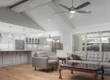
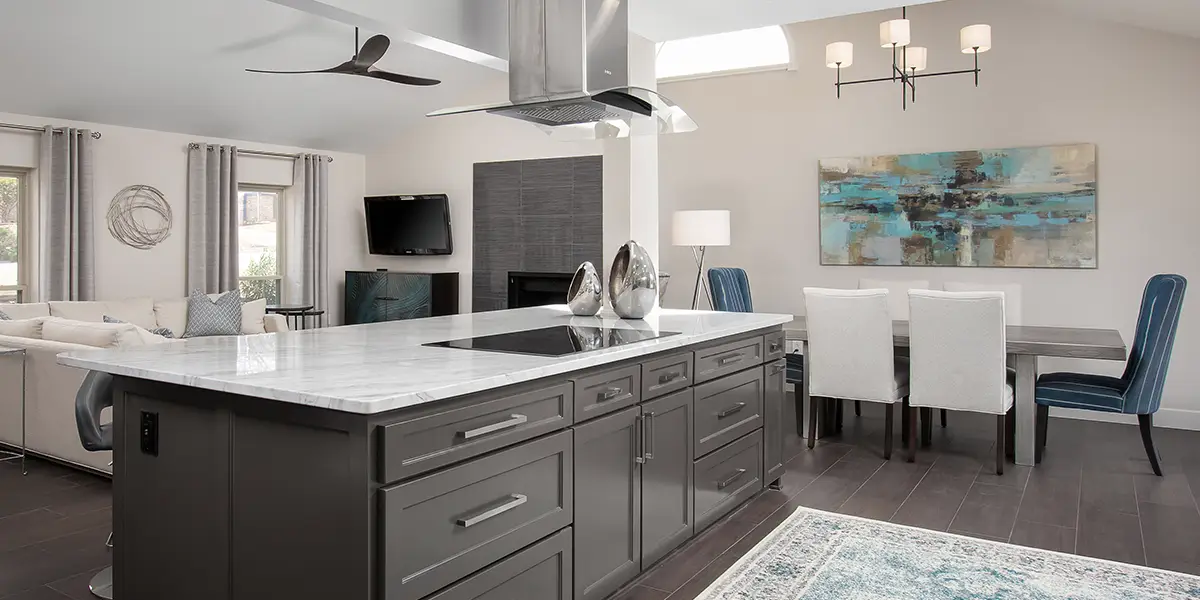
Open Floor Plans: An open layout is essential for modern hosting. Removing barriers between the kitchen and dining area encourages interaction and engagement. Guests can mingle freely and hosts can partake in the festivities without being stuck behind walls.
Functional Zoning: Within your open plan, distinct zones for cooking, eating, and socializing help maintain an organized flow. Strategic placement of furniture and counters can guide movement and define areas without the need for walls, ensuring that the chef of the house remains part of the action.
Kitchen Design Essentials
Island and Bar Areas: A kitchen island is more than just a prep station—it’s a versatile hub where guests can gather around, chat with the host, or help with the preparation. Equipping the island with bar stools adds extra seating and encourages interaction.
Efficient Appliances: For those who love to host, appliances like double ovens and warming drawers are game changers, enabling you to cook more efficiently and keep food at the perfect temperature until ready to serve.
Adequate Lighting: Good lighting is crucial. Pendant lights over the island or dining table offer direct illumination and add a design element, while under-cabinet lighting provides task lighting that enhances functionality.
Dining Area Considerations
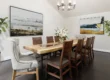
Seating Solutions: Flexible seating options are key. Consider an expandable dining table or keep extra chairs that complement your decor on hand for larger gatherings.
Spatial Dynamics: Ensure your dining area allows for comfortable movement around the table, even when fully seated. This enhances the overall comfort and accessibility of the space.
Visual Continuity: Achieving a visual flow between the kitchen and dining area enhances spatial perception, making the areas feel unified. Use consistent color schemes and materials to link these spaces smoothly.
Material and Finish Selections
Durable and Stylish Materials: Surfaces in both kitchen and dining areas should be durable yet elegant. Quartz countertops are resilient and chic, while hardwood floors bring warmth and style that endure the test of time.
Cohesive Aesthetics: Choose finishes that complement not only each other but also the overall style of your home to create a harmonious look.
Smart Storage Solutions
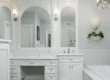
Integrated Storage: Adequate storage solutions keep clutter out of sight and make entertaining easier. Think creatively about integrating storage into your space, such as built-in cabinets that blend seamlessly with the room’s aesthetic.
Custom Cabinetry: Custom cabinets can be designed to maximize storage and maintain the sleek lines of modern design, keeping essential tools handy but out of sight.
Personal Touches and Decor
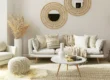
Art and Decor: Personal touches bring life and character to your kitchen and dining areas. Art pieces that reflect your style can create focal points and conversation starters.
Functional Decor: Utilize decorative elements that are not just beautiful but also functional. Elegant platters, pitchers, and bowls can serve as decor when not in use, adding to the room’s ambiance while remaining practical.
Designing the perfect kitchen and dining spaces for hosting doesn’t just enhance your ability to entertain; it enriches the everyday functionality of your home, making it a more enjoyable and inviting space for all who enter. Whether it’s a casual breakfast or a formal dinner, the right design elements can make every gathering a success.
Ready to create your ideal entertaining space? Contact us today to begin designing a home that brings people together in comfort and style.