

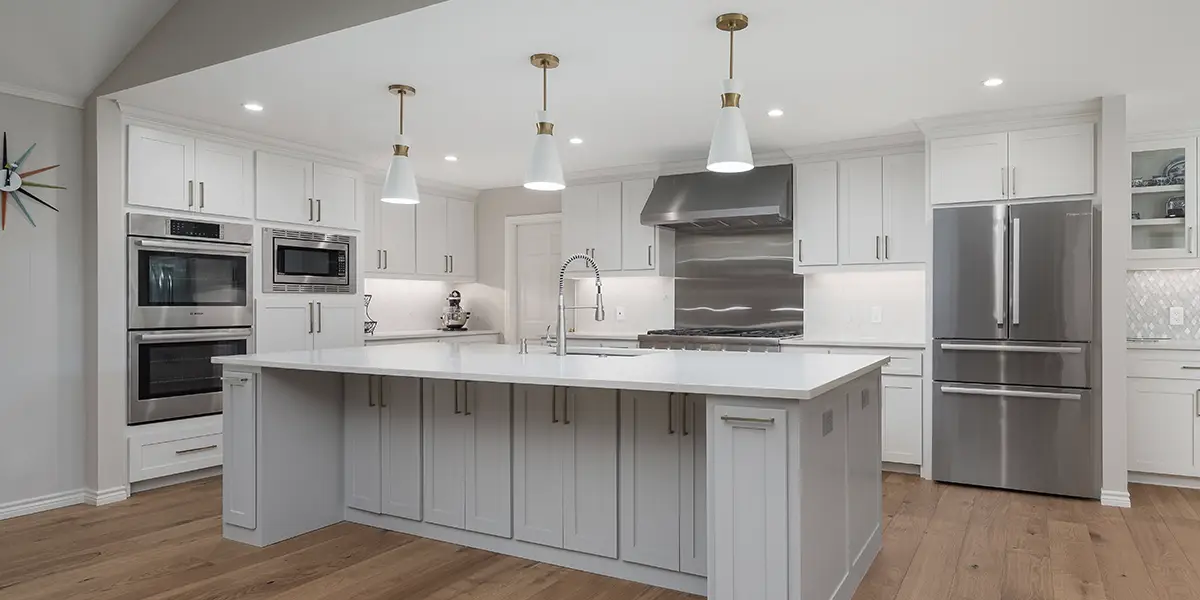
Embarking on a kitchen remodel is an exciting endeavor for homeowners, but it often comes with questions about timelines. Understanding the duration of a kitchen renovation project is crucial for planning and managing expectations. In this article, we’ll explore the various factors that influence the timeline of a kitchen remodel and provide insights into what to expect at each stage of the process.
Factors Affecting Kitchen Remodel Timeline
Scope of the remodel: The extent of your kitchen remodel plays a significant role in determining how long the project will take. Cosmetic updates such as painting cabinets or replacing countertops typically require less time than structural changes like removing walls or reconfiguring layouts.
Size of the kitchen: Larger kitchens naturally require more time to remodel than smaller ones. The amount of space being renovated directly affects the duration of tasks such as demolition, installation, and finishing touches.
Design: The complexity of your design choices can impact the timeline. Detailed customizations or special-order materials may add time to the planning and procurement process.
Permits: Securing necessary permits and approvals from local authorities can contribute to the overall timeline of your kitchen remodel. It’s essential to factor in the time required for permit acquisition when scheduling your project.
Shopping for a Contractor: Finding the right contractor for your kitchen remodel is crucial, but the process of researching, interviewing, and selecting a contractor can also take time. It’s essential to invest the necessary effort upfront to ensure a smooth and efficient remodeling experience.
Typical Timeline for a Kitchen Remodel
Pre-construction phase
- Initial consultation: Meet with your chosen contractor to discuss your goals, budget, and timeline for the project.
- Design development: Work with your contractor and designer to finalize plans, layouts, and material selections.
- Permit acquisition: Allow time for obtaining any necessary permits and approvals before construction can begin.
Construction phase
- Demolition: Clear out the existing kitchen space to prepare for renovations.
- Structural work (if necessary): Address any structural issues or changes to the layout of the kitchen.
- Plumbing and electrical updates: Install or update plumbing and electrical systems as needed for new fixtures and appliances.
- Installation of new fixtures and appliances: Place new cabinets, countertops, sinks, and appliances into position.
- Cabinetry and countertop installation: Complete installation of cabinets and countertops, including any customizations or modifications.
- Flooring installation: Lay down new flooring materials according to your design preferences.
- Painting and finishing touches: Apply paint or other finishes to walls, cabinets, and trim, and add decorative elements as desired.
Post-construction phase
- Final inspections: Schedule inspections to ensure that the work meets building codes and regulations.
- Cleaning and touch-ups: Clean the renovated space and address any minor imperfections or touch-ups.
- Client walkthrough and approval: Review the completed project with your contractor and provide final approval.
Average Duration of Each Phase
The duration of each phase can vary depending on factors such as the scope and size of the project. On average, a kitchen remodel may take anywhere from several weeks to a few months to complete, with larger or more complex projects taking longer.
Realistic Expectations for Clients
Communication with the contractor: Maintain open and clear communication with your contractor throughout the remodeling process. Regular updates and discussions can help address any issues or concerns promptly.
Understanding unforeseen circumstances: Be prepared for unexpected delays or challenges that may arise during the remodel. Flexibility and patience are essential qualities for navigating unforeseen circumstances and ensuring a successful outcome.
The duration of a kitchen remodel can vary depending on several factors, including the scope of the project, design choices, and unforeseen challenges. By understanding these factors and maintaining realistic expectations, homeowners can navigate the remodeling process with confidence and achieve the kitchen of their dreams.